
Young, Loud, and Leading: Why SRHR Future Belongs to Its Youth in Bangladesh
Every day in Bangladesh, young people run into the same wall: their health, their bodies, and their futures are shaped by decisions made in rooms they are never invited into. Child marriage cuts educations short. Teenage pregnancies go unaddressed. Young people often do not know their rights well enough to claim them. Young people closest to SRHR challenges already hold the lived experience, local knowledge, and evidence needed for change. What has been missing is a shared platform to turn these scattered voices into coordinated and lasting action.
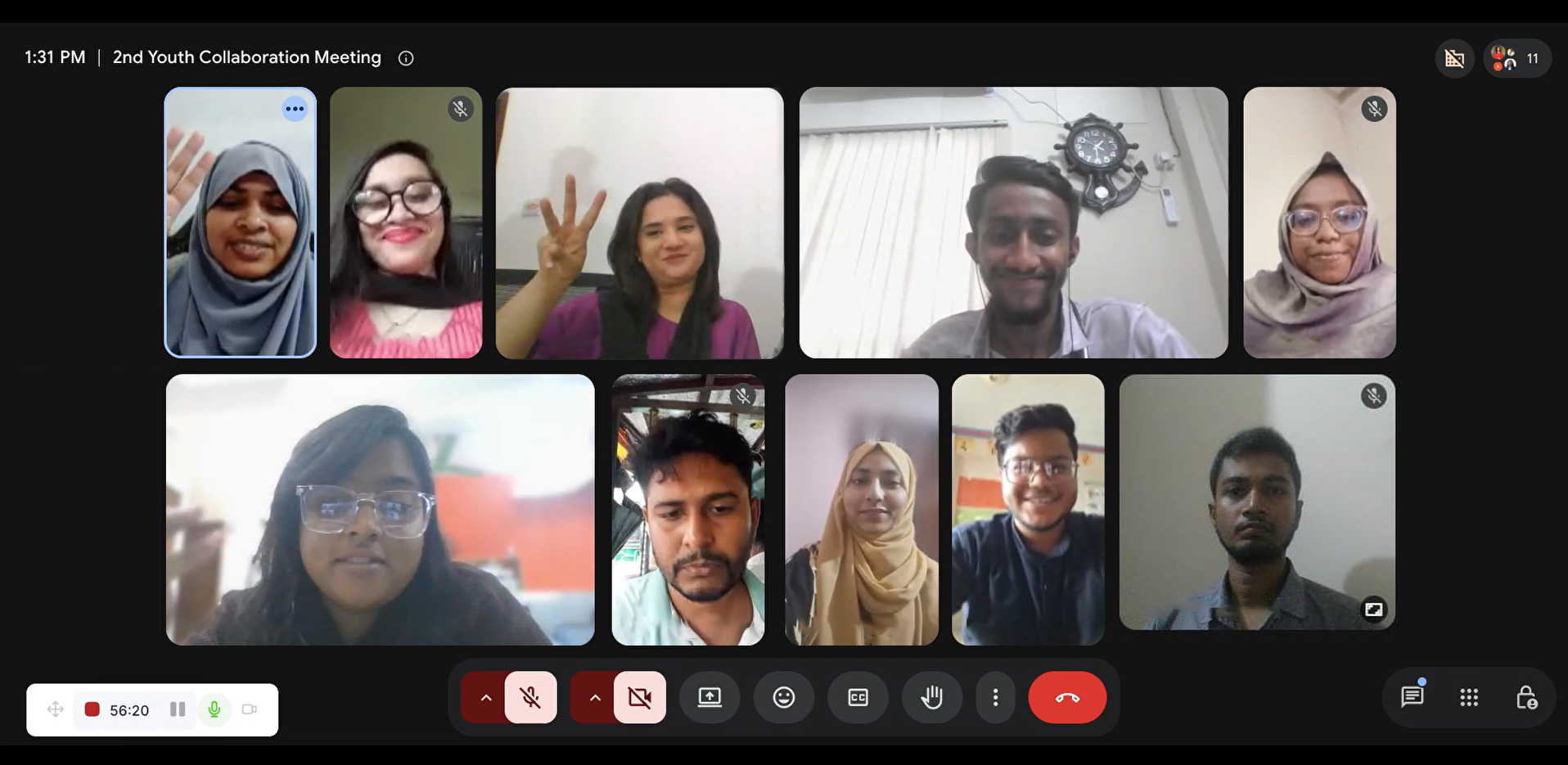
That is starting to change. Coordinated by RedOrange, youth leaders from the Youth Share-Net project’s seven partner organisations- Association of Voluntary Actions for Society (AVAS), DALIT, Prantoz Foundation, SERAC Bangladesh, Youth Action For Development (YAD), With She Foundation, and Young Power in Social Action (YPSA)- are coming together with youth advocates from Right Here Right Now (RHRN) and the National Youth Council on Population, Development, and SRHR (NYCPD-SRHR). Bringing together grassroots organisers and national-level voices, they will form the Youth Share-Net Forum- a shared network working to address SRHR challenges collectively rather than through separate organisational efforts. The Youth Share-Net project works across five divisions of Bangladesh under a three-year AmplifyChange Networking Grant (July 2025–June 2028).
A Shared Target, Chosen Together
At a founding dialogue, these youth leaders examined global and national SRHR trends against Bangladesh’s own realities and agreed on a common focus for 2026: Adolescent Health and Bodily Independence. It is a theme with teeth, prioritising youth rights, the fight against child marriage, the prevention of teenage pregnancy, and stronger youth decision-making — chosen by the people it affects, not assigned to them.
The approach is deliberately hands-on. Youth leaders will run advocacy meetings with stakeholders on SRHR, gender-based violence, and personal hygiene; push for programme improvements grounded in their own experience and learning; and organise meetings to surface emerging issues before they become crises. The common thread is a single objective- the health of youth and hard-to-reach communities- pursued through a comprehensive, alliance-wide approach, with sustained advocacy for an enabling environment across schools, service centres, and education systems on SRHR and GBV.
A few priorities cut across all of this work: stronger partnerships with schools and local government, community monitoring mechanisms, youth leadership development, and evidence-based advocacy and documentation. Together, they are meant to link grassroots initiatives to national advocacy — so knowledge and momentum built in one district does not stay trapped there, but strengthens youth voice in policy spaces nationwide.