
Is Sexual and Reproductive Health Only a Women’s Issue?
We Talk About Women’s Reproductive Health. But What About Mens’?
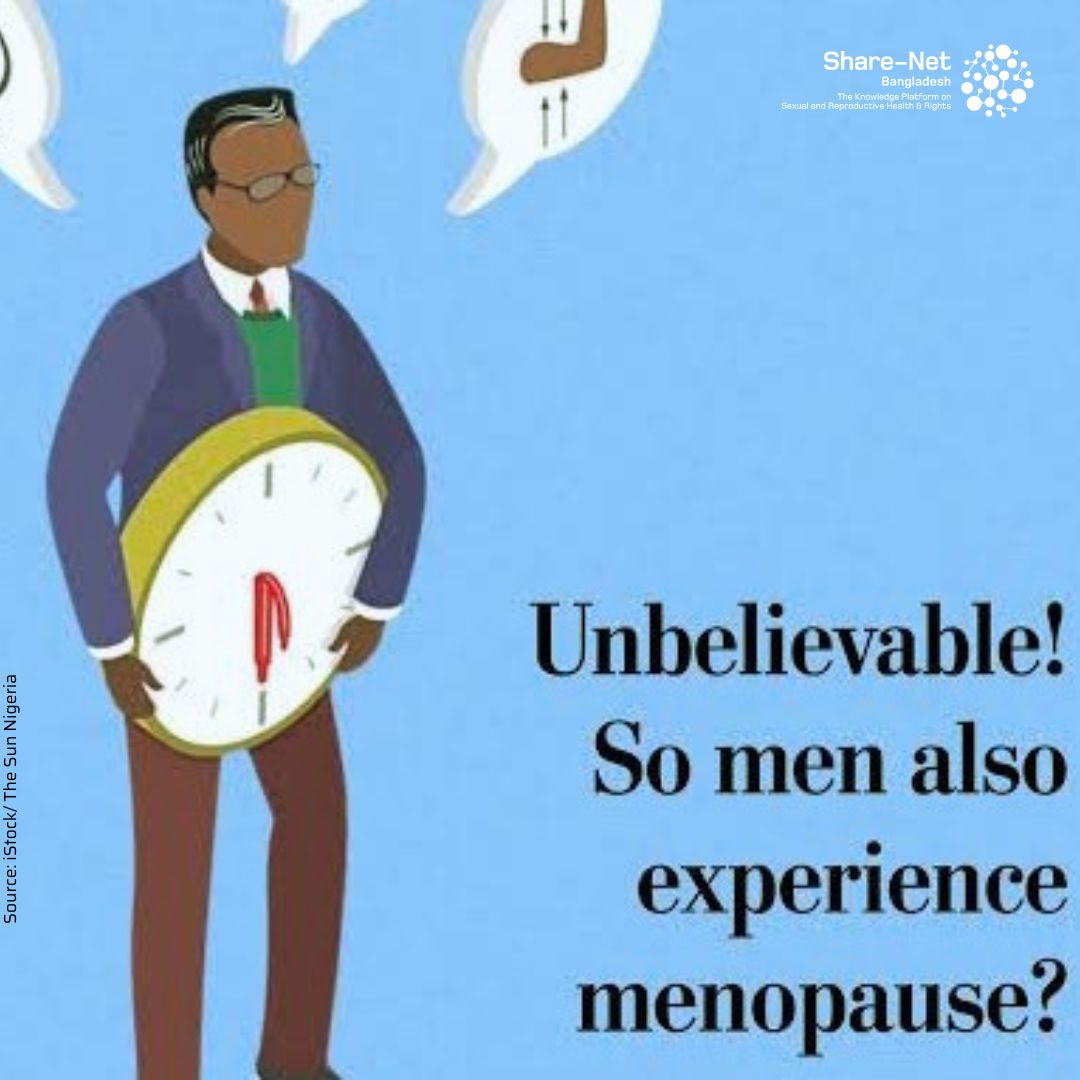
While the majority of the population is aware of Menopause which affects women between the age of 45 and 55, many people are unaware of a similar condition in men of the same age- Andropause (often called “male menopause,” is the closest counterpart to women’s menopause. However, it’s important to note that andropause is not an exact mirror image of menopause).
It is the male counterpart of menopause. It is a condition in which men suffer from a decrease in the male sex hormone, testosterone. Men’s sexual and hormonal health is often overlooked, especially as they age. Yet these changes can affect not only sexual well-being, but also energy, mood, bone health and overall quality of life.
Testosterone levels typically begin to decline in the fourth decade of life, falling by around 1–2% each year. Because the change is gradual, it can easily go unnoticed or be dismissed as simply “getting older.”
The numbers show why the conversation matters. Symptomatic androgen deficiency affects around 5.6% of men aged 30–79, while reported hypogonadism rises to 18.4% among men over 70.
In Bangladesh, where conversations about SRHR can still be difficult, men need the same thing. The deserves: accurate information, respectful care and a safe space to ask questions. As research moves toward more personalized approaches to men’s hormonal health, it is time for our conversations to move forward too. Men’s SRHR must leave no one out.
Source: https://www.ovid.com/jnls/jiag/fulltext/10.4103/jiag.jiag_83_25~the-aging-male-endocrine-system-clinical-insights-into?context=latestarticles
