
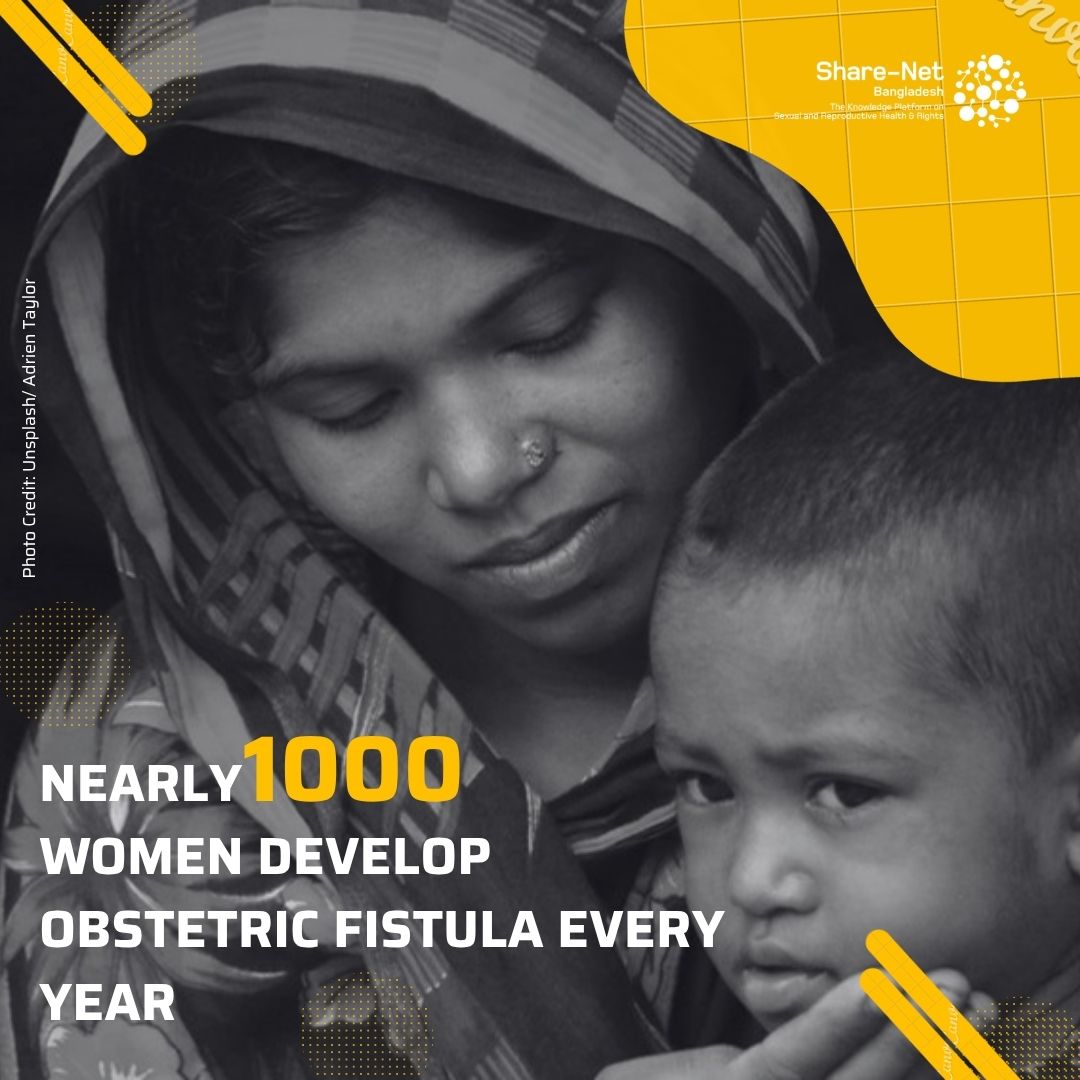
1,000 Women a Year: Bangladesh’s Hidden Obstetric Fistula Crisis
In Bangladesh, many women never seek treatment, held back by shame, social stigma, financial hardship, or simply not knowing that treatment exists. Because of this, the exact number of women living with obstetric fistula is hard to pin down. Based on various studies and the experience of health programmes, it is estimated that around 17,547 women aged 15 to 64 are still living with obstetric fistula, hidden away from the rest of society. An estimated 1,000 women develop new cases of obstetric fistula every year.
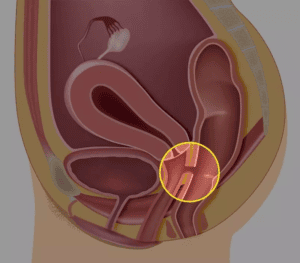
Obstetric fistula occurs when prolonged, obstructed labour goes untreated, creating a hole between the birth canal and the bladder or rectum. Women living with the condition suffer from continuous leakage of urine or faeces, and often face chronic infections, pain, depression, social isolation, stigma and loss of livelihood. It is one of the most devastating childbirth injuries, and it is largely preventable.
Where is the risk highest?
Obstetric fistula is closely tied to poverty, gender inequality and unequal access to healthcare. Women who live far from a clinic face long journeys, limited transport and difficulty affording care when complications arise. Early marriage and early pregnancy raise the risk further, particularly where girls have limited access to education or reproductive health services. For women in Bangladesh’s remote wetland, riverbank and island communities, these barriers are most severe. When emergency care is not close by, a treatable problem can turn into a lifelong disability.
The Bangladesh government runs its elimination programme through four priority divisions, Rangpur, Sylhet, Chattogram and Rajshahi, chosen because these regions have the highest concentration of wetland, riverbank and hill terrain. The reason risk is highest in these areas comes down to geography. Seasonal floods, shifting river islands and hilly terrain make it difficult to reach a hospital in time, and just as difficult to build lasting healthcare infrastructure. These districts also tend to have higher rates of child marriage and lower antenatal care uptake, which raises the risk of a difficult labour and delays recognition of warning signs.
How have the numbers changed?
National data point to meaningful progress. Between 2019 and 2024, a total of 3,807 fistula cases were identified in Bangladesh. Of these, 3,027 women underwent surgery and 2,795 were successfully treated, a 92.3% success rate. In 2024 alone, 735 patients were admitted for surgery across 23 government and private hospitals, with 564 surgeries performed and 519 successful repairs, a success rate of around 92%.
Dr. Md. Monjur Hossain, Assistant Director of the MCH Services Unit at the Directorate of Family Planning, said: “A National Fistula Center has already been established at Dhaka Medical College Hospital. In addition, there are 23 fistula centres across the country. A four-question (4Q) checklist has been developed for community-level fistula screening, so that fistula patients can be identified quickly and easily and treatment can begin sooner.”
In 2023, a total of 680 fistula patients were admitted for surgery across 18 government and private hospitals. A total of 526 surgeries were performed at these facilities, with a 92.4% success rate (486 successful repairs). Among admitted patients, 52.1% had classic obstetric fistula, while 43.2% had iatrogenic fistula, meaning it was caused by a medical procedure. Of the confirmed iatrogenic fistula cases, around 53.6% resulted from hysterectomy.
Dr. Umme Hani Khandker said: “To prevent iatrogenic fistula, we need skilled personnel. Doctors’ training in caesarean procedures must meet the highest quality standards, and their work needs to be regularly monitored and evaluated, so that any weaknesses can be identified and corrected in time.”
Alongside this, the Directorate of Family Planning, the Department of Social Services, the Department of Women Affairs and other relevant agencies are working together to strengthen rehabilitation and reintegration support for fistula survivors. Under this programme, more than 300 fistula survivors received some form of rehabilitation support in 2023.
The path forward
A major remaining challenge is reaching women who already have fistula but remain hidden out of shame, fear, or because they don’t know treatment is available. Bangladesh’s Third National Strategy to End Obstetric Fistula (2023-2030), approved in 2024, calls for a shift away from waiting for women to come forward, toward actively seeking them out, with frontline health workers, midwives and community volunteers reaching women where they live.
Obstetric fistula is preventable. That it still happens is a reminder that safe childbirth is not only a medical issue, it is a matter of health, dignity and reproductive rights, not survival alone. With less than four years remaining until the 2030 target, Bangladesh’s next step must be to scale up active case-finding nationwide, so that every woman, wherever she lives, can receive timely, quality maternal healthcare before a preventable injury changes her life forever.