
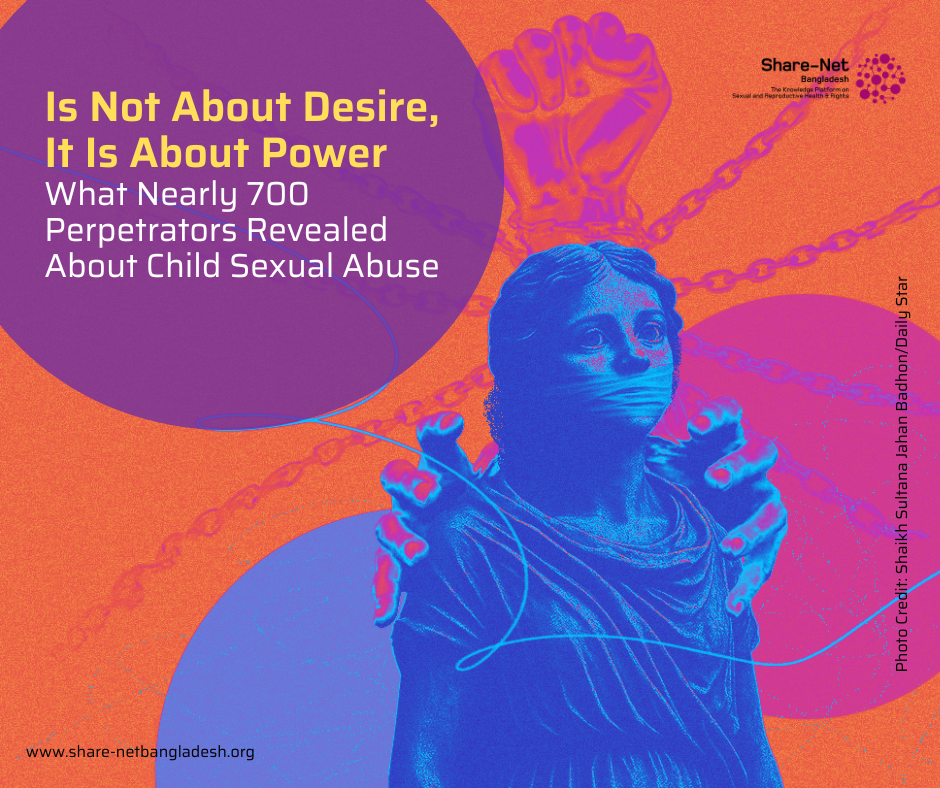
Is Not About Desire, It Is About Power: What Nearly 700 Perpetrators Revealed About Child Sexual Abuse
When discussions about child sexual abuse emerge, society often focuses on the crime itself while overlooking a critical question: why do perpetrators commit these acts in the first place? Understanding the answer is uncomfortable, but it is essential. Without confronting the beliefs and attitudes that drive abuse, prevention efforts risk addressing symptoms rather than causes.
A groundbreaking study by researchers Kelly Richards and Emma Hussey from Queensland University of Technology has shed new light on this issue. Drawing on accounts from nearly 700 adult male perpetrators across 39 studies, it represents the largest analysis of child sexual abuse perpetrators’ explanations ever conducted.
The findings challenge many common assumptions.
Some perpetrators blamed alcohol, drugs, childhood trauma, or a desire for new sexual experiences. Others claimed they were trying to “help,” “educate,” or were even “in love” with the child. Yet researchers found a recurring pattern that cut across countries, cultures, and backgrounds.
The most common explanation was the belief that the child had somehow consented.
This finding is particularly alarming because children cannot legally or ethically consent to sexual activity with adults. Researchers noted that perpetrators often interpreted a child’s lack of resistance as consent, revealing a profound disregard for children’s rights, safety, and autonomy.
The study also uncovered another disturbing trend: many perpetrators framed themselves as victims. Some described children, particularly girls, as “flirtatious” or manipulative, attempting to shift responsibility away from themselves. Such narratives reflect broader social myths that blame victims rather than holding perpetrators accountable.
Perhaps most striking was the role of misogyny and male entitlement.
Many perpetrators described abusing children as an act of retaliation against adult women partners. Some reported anger when partners did not meet their expectations as wives, mothers, homemakers, or sexual partners. In these cases, abuse became a form of punishment or control.
Researchers found that perpetrators frequently expressed a belief in an inherent “right” to sexual access. When that access was denied by adult women, some viewed children as easier targets. The study revealed how perpetrators often blurred the distinction between women and girls, treating both as subordinate groups existing to satisfy male needs.
This insight carries important implications for Sexual and Reproductive Health and Rights (SRHR) programming and child protection efforts. Child sexual abuse cannot be addressed solely through criminal justice responses after harm occurs. Prevention requires challenging harmful gender norms, patriarchal attitudes, and rape myths before they translate into violence.
Experts argue that promoting gender equality, consent education, healthy masculinity, and respect for bodily autonomy should be viewed not only as violence prevention strategies for women but also as critical tools for protecting children.
The findings reinforce a difficult but necessary truth. Child sexual abuse is rarely about uncontrollable desire. More often, it is rooted in power, entitlement, and deeply embedded beliefs about gender and control.
For advocates, educators, policymakers, and communities, this research offers an important reminder: protecting children requires more than safeguarding measures. It requires transforming the social attitudes that allow abuse to be justified, excused, or ignored. Only then can prevention move beyond reaction and toward lasting change.
Source Contributors:
- Kelly Richards, Professor, School of Justice, Queensland University of Technology.
- Emma Hussey, Sessional Academic, School of Justice, Queensland University of Technology.
This article was first published under the title “World’s largest study of child sexual abuse perpetrators reveals why they abuse” in The Conversation, on May 27, 2026.