
From Population to Potential: World Population Day Highlights Youth, Skills and SRHR
Quality education, skilled youth and equitable access to health services remain at the heart of Bangladesh’s journey towards sustainable development. As the country continues to enjoy one of the largest youth populations in its history, the conversation is gradually shifting from population size to human potential. World Population Day 2026 served as a timely reminder that the country’s demographic dividend can only be realised through strategic investments in education, health and youth empowerment.
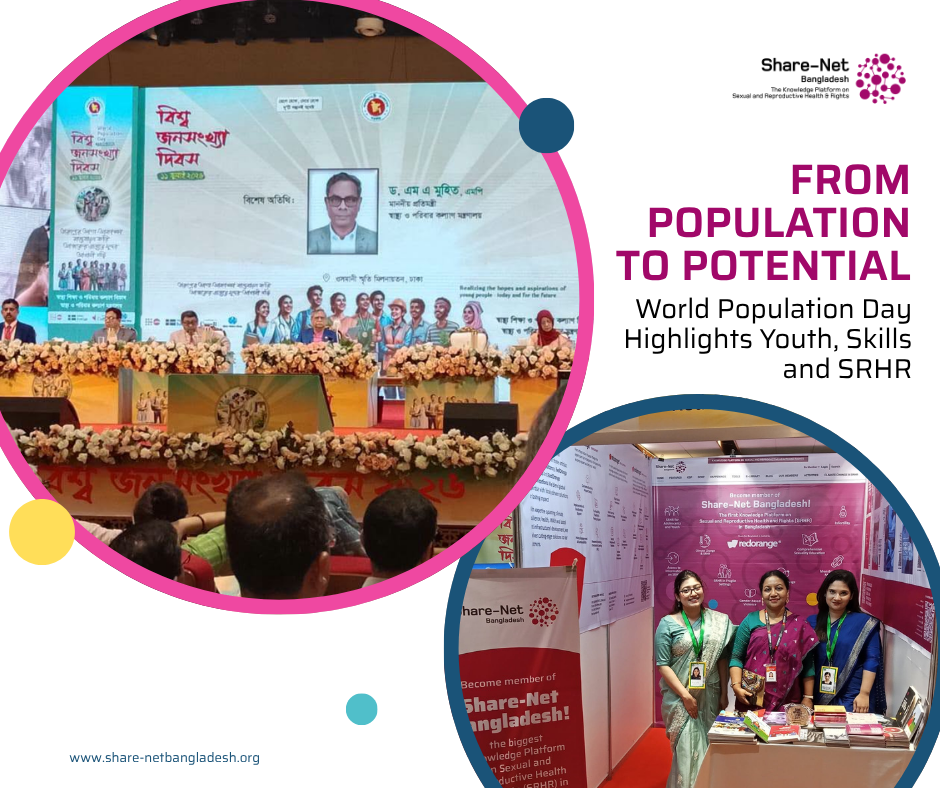
To mark World Population Day 2026, the Ministry of Health and Family Welfare organised a national programme at the Osmani Memorial Auditorium in Dhaka on 12 July. The event brought together senior government officials, development partners, health professionals, UN agencies, civil society organisations and youth representatives to discuss Bangladesh’s evolving population priorities and the importance of investing in people.
President Mohammed Shahabuddin, attending as the Chief Guest, called on all stakeholders to transform the country’s growing youth population into productive human resources through quality education, technical skills, healthcare and employment opportunities. He noted that nearly one-third of Bangladesh’s population is young, describing this demographic as the country’s greatest strength, while cautioning that failing to invest in young people could increase unemployment, poverty and social instability.
The President also highlighted Bangladesh’s remarkable progress in family planning, maternal health and child survival, while stressing the need to sustain these gains. Referring to recent demographic trends, he noted that maintaining a stable Total Fertility Rate and redesigning family planning programmes to reach disadvantaged communities remain important national priorities. He further emphasised adolescent health services, prevention of child marriage and improved access to education as critical investments for long-term population stability.
The event also recognised grassroots contributions to public health, with awards presented to institutions and individuals working to improve health services across Bangladesh. Representatives from the Ministry of Health and Family Welfare, the Directorate General of Health Services, UNFPA Bangladesh and other development partners participated in the programme, reinforcing the importance of multi-sector collaboration.
As part of the national observance, Share-Net Bangladesh and RedOrange Limited jointly participated through an exhibition stall showcasing a wide range of knowledge products on Sexual and Reproductive Health and Rights (SRHR). Visitors explored research publications, policy briefs, youth-friendly communication materials, advocacy resources and innovative knowledge products developed under various initiatives. The stall also highlighted the ongoing Youth Share-Net project, demonstrating how evidence-based knowledge and youth engagement are helping strengthen SRHR awareness and promote informed decision making among adolescents and young people.
Throughout the exhibition, participants from government agencies, development organisations, academia and youth groups exchanged ideas on strengthening knowledge sharing and promoting evidence-informed policies. The interaction reflected Share-Net Bangladesh’s commitment to connecting research, policy and practice while ensuring that young people’s voices remain central to national development efforts.
World Population Day 2026 reaffirmed that Bangladesh’s future will depend not only on demographic trends, but also on how effectively the country invests in its people. By combining quality education, accessible healthcare, youth participation and evidence-based knowledge, Bangladesh has an opportunity to transform its demographic dividend into lasting social and economic progress. Share-Net Bangladesh’s participation underscored the important role that knowledge platforms can play in supporting this vision through collaboration, innovation and informed dialogue.