
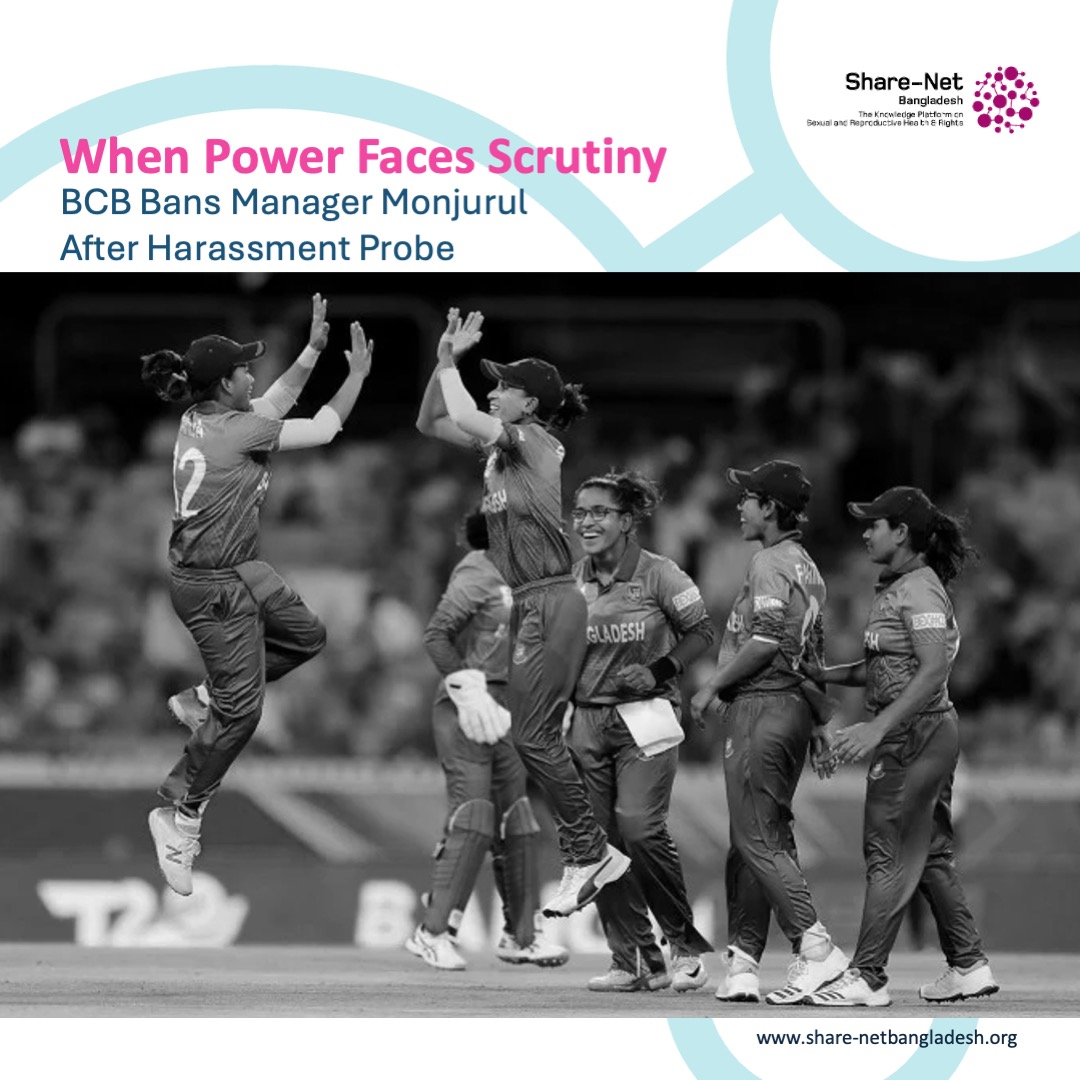
When Power Faces Scrutiny: BCB Bans Manager Monjurul After Harassment Probe
When institutions fail to check power, silence often becomes the loudest voice in the room. But this week, Bangladesh cricket witnessed a rare shift, one that may signal a broader reckoning with accountability, gender rights and safe sporting environments.
The Bangladesh Cricket Board (BCB) has imposed a ban on former women’s team selector and manager Monjurul Islam from “all forms of direct or indirect employment and/or cricket-related activities” under its jurisdiction. The decision follows findings by a five-member Independent Inquiry Committee formed to investigate harassment allegations brought by former national captain Jahanara Alam.
According to the BCB’s press release, two of the four allegations were not substantiated due to lack of evidence. However, the committee found “prima facie evidence of inappropriate conduct” in relation to the remaining two. While the board did not specify the duration of the ban, it stated it is reviewing further recommendations and may take additional measures.
Monjurul’s contract with the board had already expired on June 30, 2025, and he is not currently employed under the BCB. Still, the decision marks a formal institutional response — one that carries weight in a country where workplace harassment in sports often goes unreported.
Though this case centres on cricket governance, its implications go beyond sport. Sexual harassment is a violation of Sexual and Reproductive Health and Rights (SRHR), undermining bodily autonomy, dignity and the right to safe workplaces.
Globally, research by UN Women shows that nearly 1 in 3 women experience physical or sexual violence in their lifetime. In Bangladesh, workplace harassment remains widespread despite legal frameworks. A 2009 High Court Division directive mandated all institutions to establish anti-sexual harassment committees — yet compliance has been inconsistent.
In response, the BCB recently announced the formation of a formal complaint committee led by director and women’s wing chairperson Rubaba Dowla, aligning with the 2009 High Court guidelines. This move is significant. Institutional complaint mechanisms are a cornerstone of SRHR protection, particularly in male-dominated sectors like sports.
The case raises a deeper question: why does power so often shield misconduct? In hierarchical institutions, authority can blur accountability. Survivors may fear retaliation, career damage or public scrutiny. In sports, where selection decisions directly impact livelihoods, the imbalance can be sharper.
By initiating an independent inquiry and publicly announcing sanctions, the BCB signals a shift toward transparency. Whether this becomes systemic reform or remains a singular case will depend on sustained monitoring, survivor protection and gender-sensitive policy enforcement.
The broader SRHR movement in Bangladesh has long emphasised safe public spaces and workplaces as part of reproductive rights and gender equality. This decision, while reactive, aligns with that agenda.
This moment is not just about one individual or one board decision. It is about whether institutions can transform from gatekeepers of power into guardians of rights.
If enforced effectively, the ban could strengthen trust among women athletes and encourage reporting of misconduct. If not, it risks becoming symbolic. For now, one message is clear: accountability, even delayed, is possible. And in the fight for gender justice and SRHR, that matters.
Source: The Daily Star