
Bangladesh is ready to Take Midwifery to the UN-General Assembly
A safe pregnancy should not depend on where a woman lives, how much her family earns or how far she must travel to reach a health facility. Yet for many women, … Read More »
The Missing Side of SRHR: Who Teaches Boys About Their Changing Bodies?
For many boys, growing up comes with questions that are rarely asked aloud. Why is the body changing? Is a particular change normal? Who can they ask without being laughed at? … Read More »
Beyond Fertlity Perception: Understanding Why Adolescent Fertility Remains High in Bangladesh
Pregnancy during adolescence is often described as a health issue. But the circumstances that led to that pregnancy can tell a much bigger story. Who decides when a girl marries? Who … Read More »
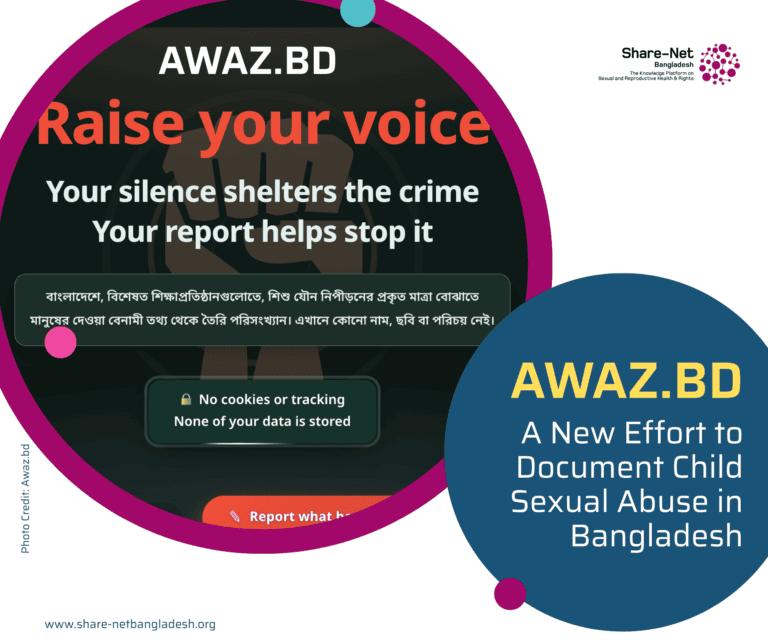
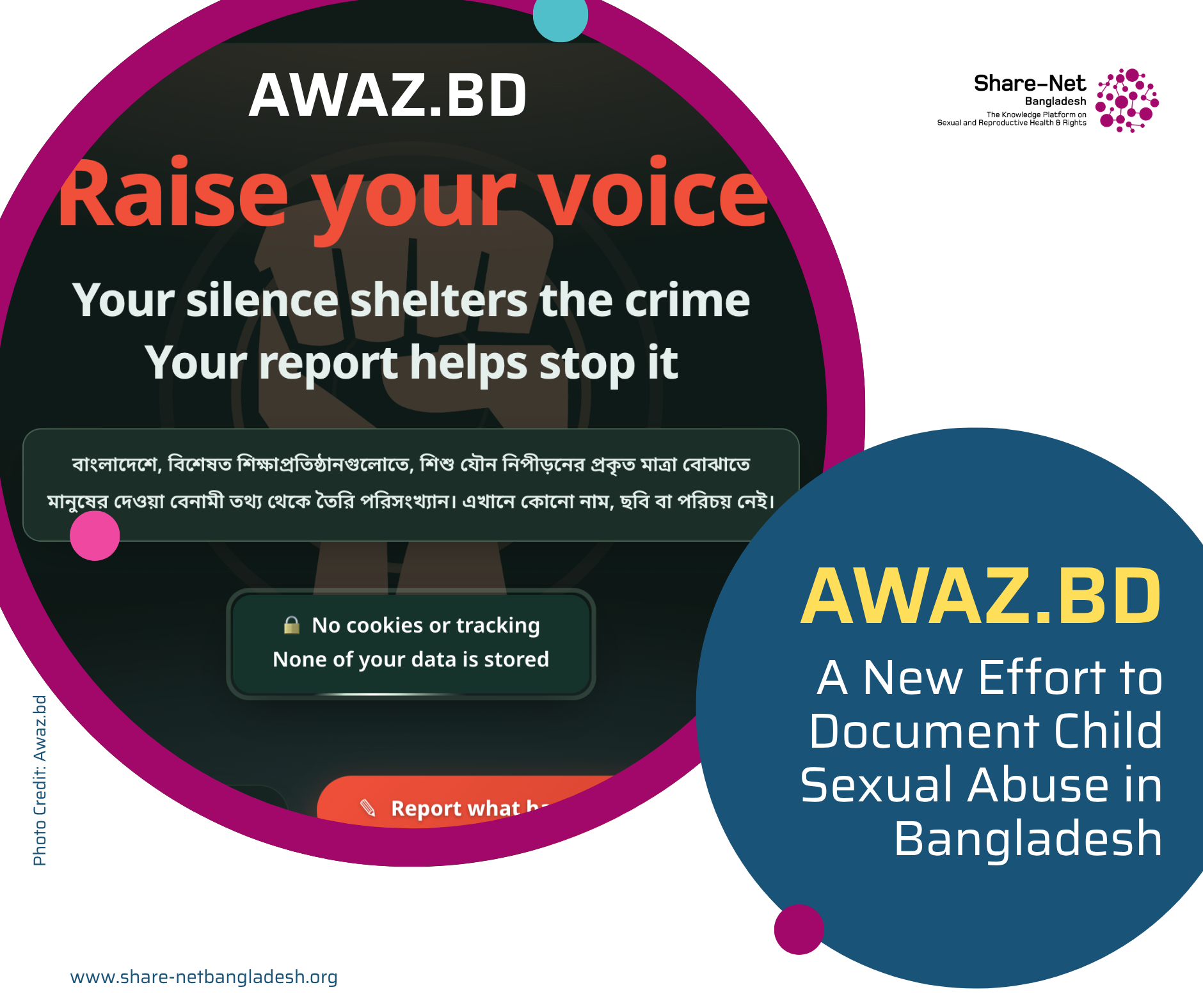
Someone Is Here To Listen: Awaz.bd’s New Effort to Document Child Sexual Abuse in Bangladesh
What happens when a child experiences sexual abuse but has no safe place to speak? Fear, shame, family pressure and uncertainty often keep these experiences hidden. As a result, police records, … Read More »
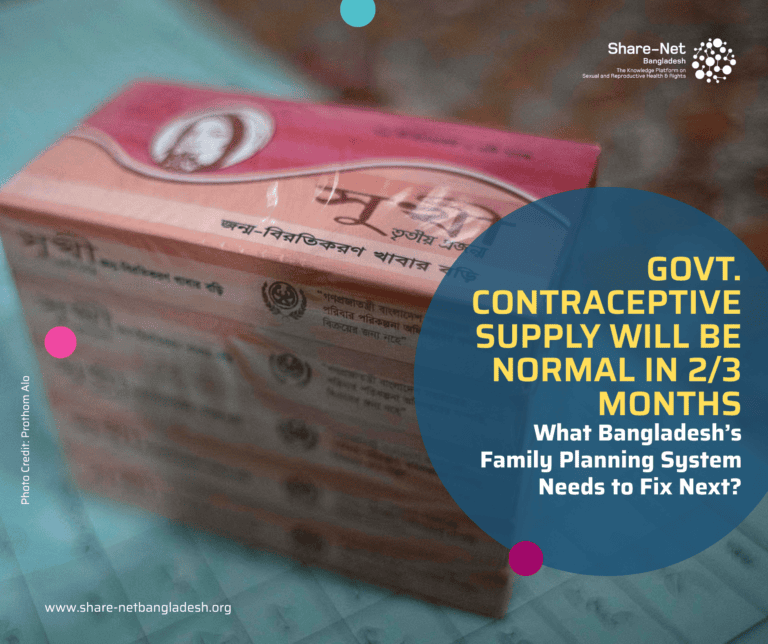
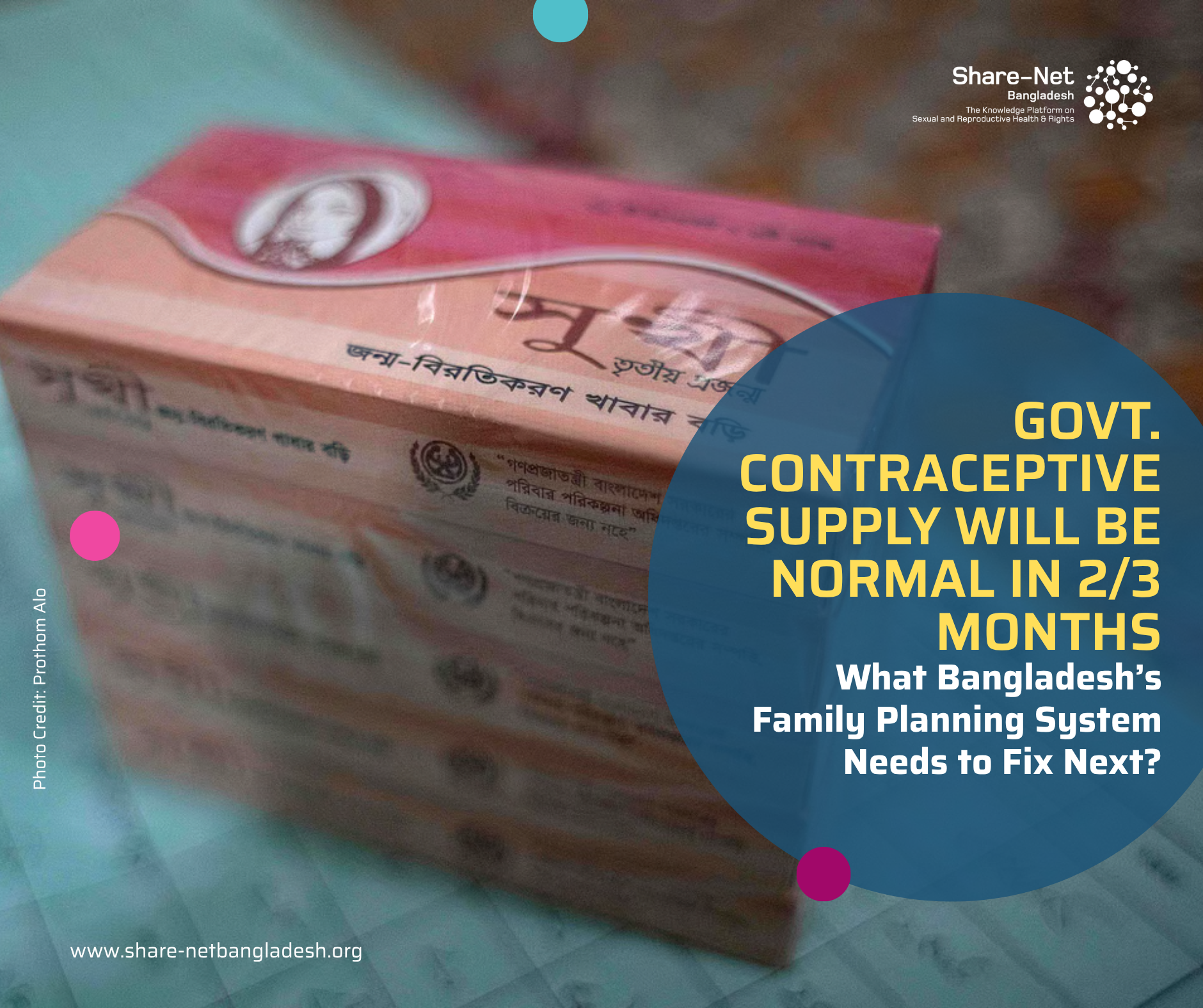
Govt. Contraceptive Supply will be Normal in 2/3 Months: What Bangladesh’s Family Planning System Needs to Fix Next?
Health and Family Welfare Minister Sardar Md Sakhawat Husain told Parliament on 7 September that contraceptive and essential medicine supplies had fallen short of demand over the past three years, causing … Read More »
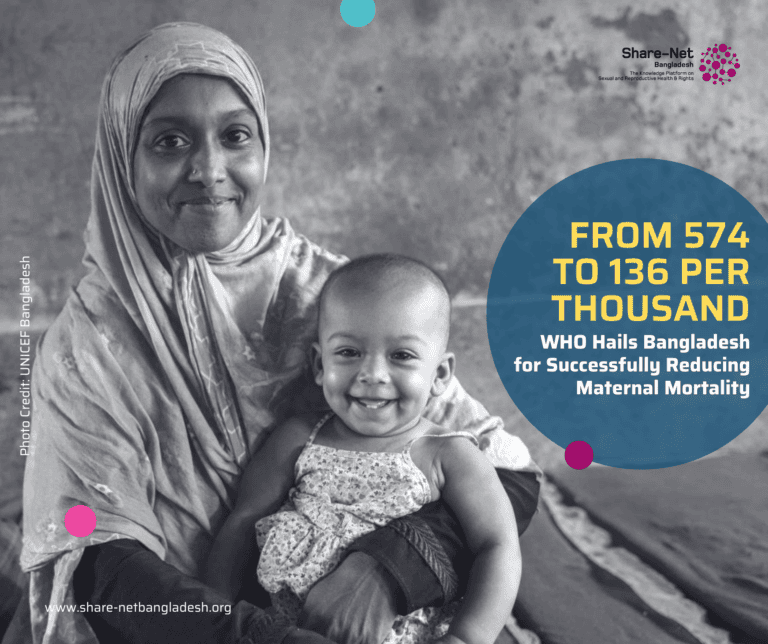

From 574 to 136 per Thousands: WHO Hails Bangladesh for Successfully Reducing Maternal Mortality
There was a time when giving birth in Bangladesh could be a matter of life and death in a way that is difficult to imagine today. In the mid-1980s, the country … Read More »
অ্যাডভান্সড ম্যাটারনাল এজ: মিথ্যা ধারণা, চিকিৎসাগত সত্য, নাকি এর মাঝামাঝি কিছু?
মা হওয়ারও কি কোনো ‘সঠিক’ বয়স আছে? নাকি এই সিদ্ধান্ত একান্তই একজন নারীর নিজের? কেউ হয়তো জীবনের শুরুতেই মাতৃত্ব বেছে নেন। আবার কেউ উচ্চশিক্ষা, ক্যারিয়ার, আর্থিক স্থিতিশীলতা কিংবা নিজেকে প্রস্তুত করার … Read More »
Advanced Maternal Age: Myth, Medical Fact, or Something in Between?
For generations, women have been told there is a “right” time to become a mother. But whose timeline is it? For some women, motherhood comes earlier. For others, education, career, financial … Read More »
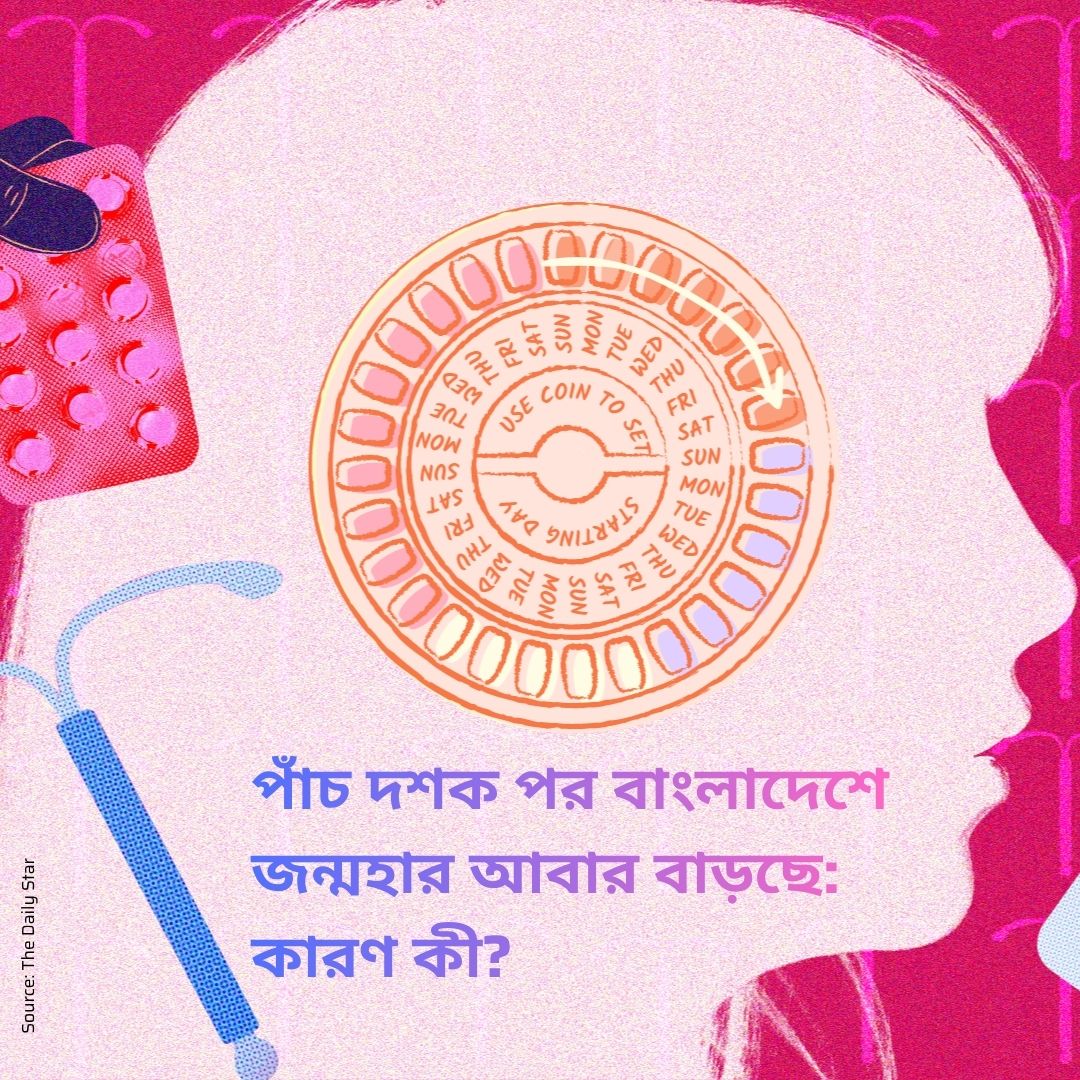
বাংলাদেশের জন্মদান হারে পরিবর্তন:নারী ও বিবাহিত কিশোরীদের ওপর এর প্রভাব কী?
বাংলাদেশে জন্মদান হার (fertility rate) আবার বেড়েছে, এটি নীতিনির্ধারকদের জন্য সতর্কতাস্বরূপ। ১৯৭৫ সালে যেখানে দেশের মোট জন্মদান হার (Total Fertility Rate বা TFR) ছিল ৬.৩, তা ধারাবাহিকভাবে কমে ২০১২ সালে ২.৩-এ … Read More »
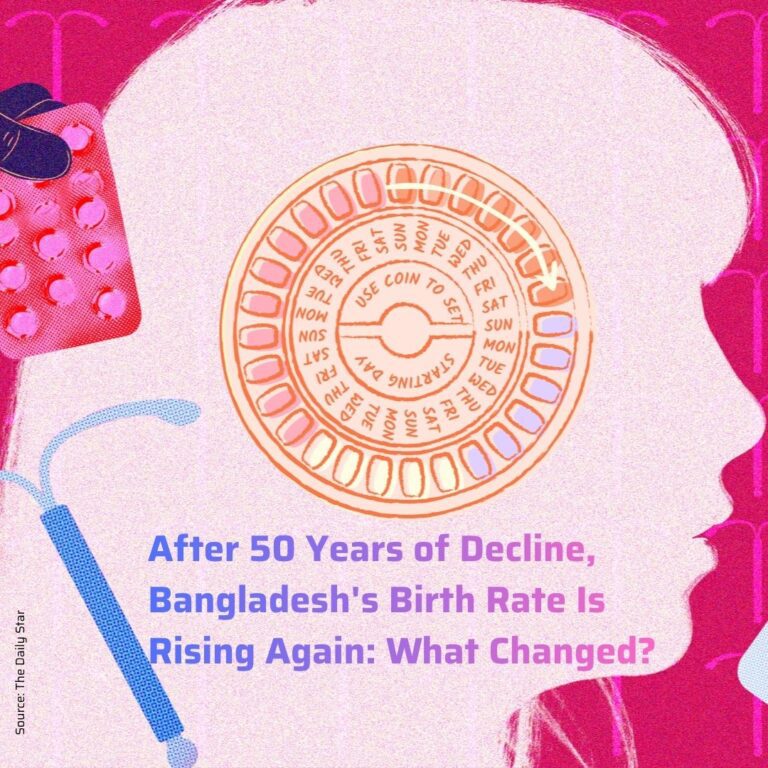
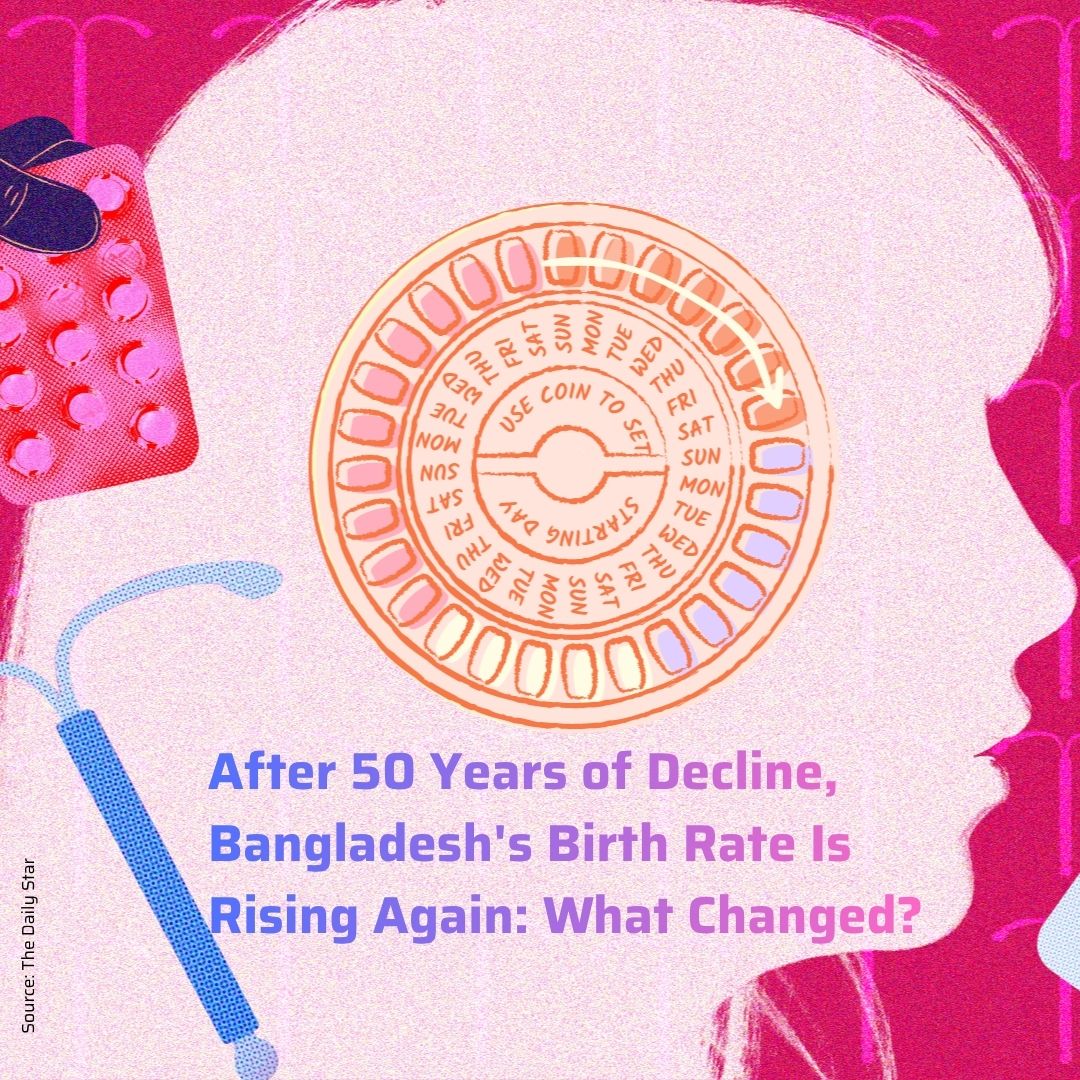
Bangladesh’s Fertility Reversal: What Does It Mean for Women and Married Girls?
Bangladesh’s rising fertility rate should be a wake-up call for policymakers. After falling from 6.3 in 1975 to 2.3 in 2022, the country’s Total Fertility Rate (TFR) has now increased to … Read More »